You crack an egg into the pan, go to flip it, and half of it tears away and welds itself to the metal. Or the fish skin you wanted crispy shreds across the bottom instead. If cooking feels like a daily battle, here's the good news: food sticking to the pan is almost never your fault, and it's almost always fixable.
Sticking happens for a handful of predictable reasons. Once you understand them, you'll stop scrubbing burnt-on messes for good and start getting that clean, golden release every time. Here are the seven real causes and the simple fixes that work on any cookware.
1. Your Pan Isn't Hot Enough: The #1 Reason Food Sticks
This is the biggest culprit by far. Add food to a cool pan and the surface and the food bond together as the metal slowly heats. By the time it's hot, everything is already stuck.
The fix: Preheat your pan for a minute or two before adding oil. Then run the water test: flick a few drops of water onto the dry, hot pan. If they spread out and sizzle away fast, it needs more time. When the pan is properly hot, the droplets pull into tight beads that skate across the surface, that's your green light to add oil. One caveat: only get a nonstick pan to medium heat, never screaming hot, or you'll damage the coating.
2. You're Not Using Enough Oil (or Adding It Too Early)
A thin, dry film won't create the barrier you need between food and metal. And cold oil in a cold pan just soaks into the food instead of searing it.
The fix: Heat the pan first, then add the oil, and wait until it shimmers. You want enough to coat the whole cooking surface in a thin, glossy layer. Skimping on oil is one of the fastest routes to food sticking to the pan.
3. You're Flipping Too Soon: Let It Release Naturally
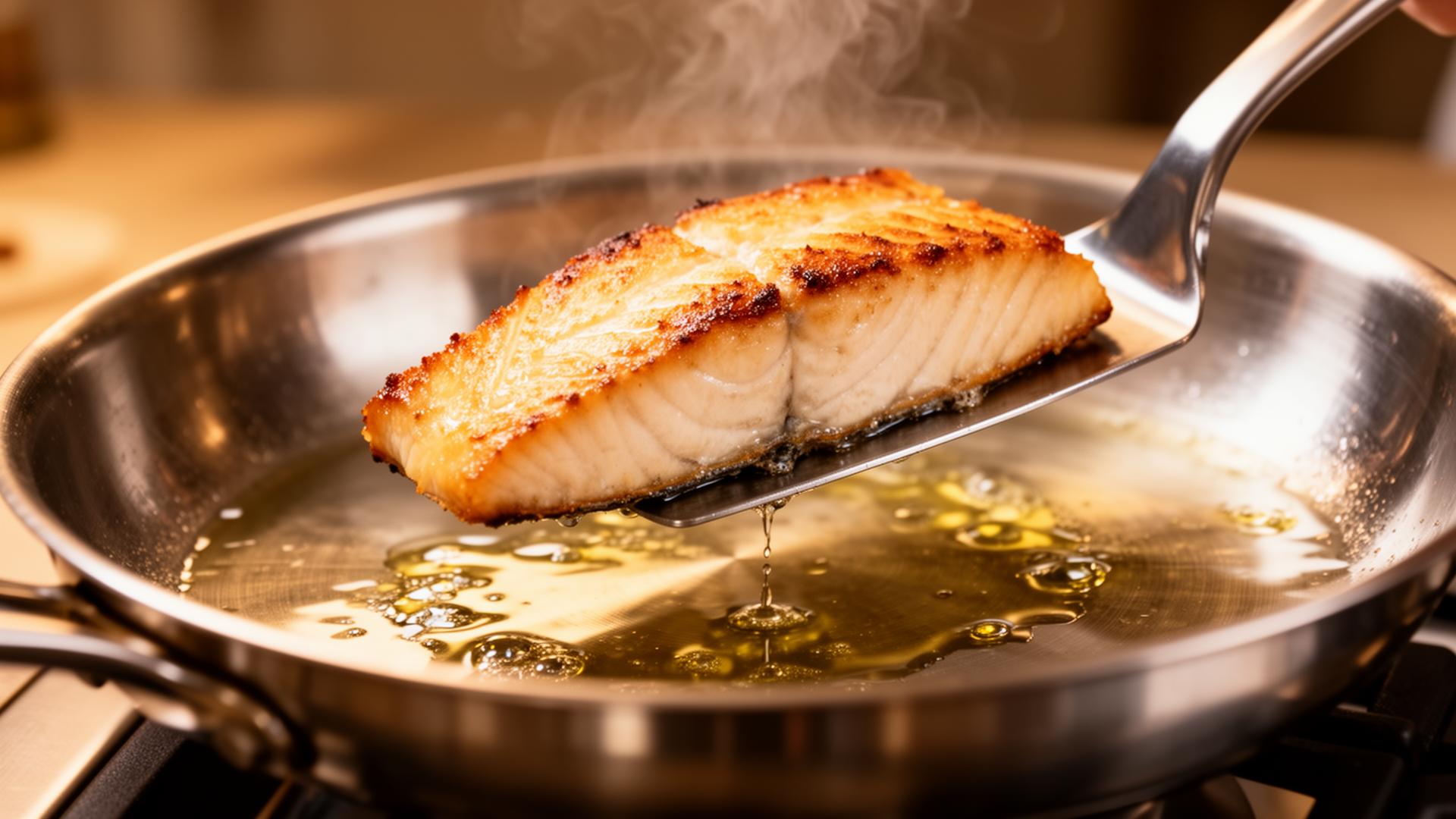
Here's the most counterintuitive truth in cooking: proteins like chicken, steak, and fish release themselves once they've formed a proper sear. Poke and prod a fillet 20 seconds after it lands and you're tearing it away before it's ready.
The fix: Add the food, then leave it alone. Let it cook undisturbed until a golden crust forms. When it's ready, it lifts with almost no resistance. If it fights you, give it another 30 to 60 seconds.
4. Your Food Is Too Wet to Sear
Surface moisture is the enemy of a good sear. Wet chicken or fish hits the oil, drops the pan's temperature, and steams instead of browns, and steamed food sticks.
The fix: Pat proteins completely dry with a paper towel before they go in. For vegetables, don't overcrowd them or wash them right before cooking. A dry surface browns; a wet one grabs on.
5. You're Overcrowding the Pan
Pile too much in at once and the temperature crashes. Instead of searing, your food sweats out moisture, pools in liquid, and clings to the surface.
The fix: Cook in batches and leave space between pieces. It feels slower, but you'll get better browning, less mess, and food that tastes seared instead of boiled.
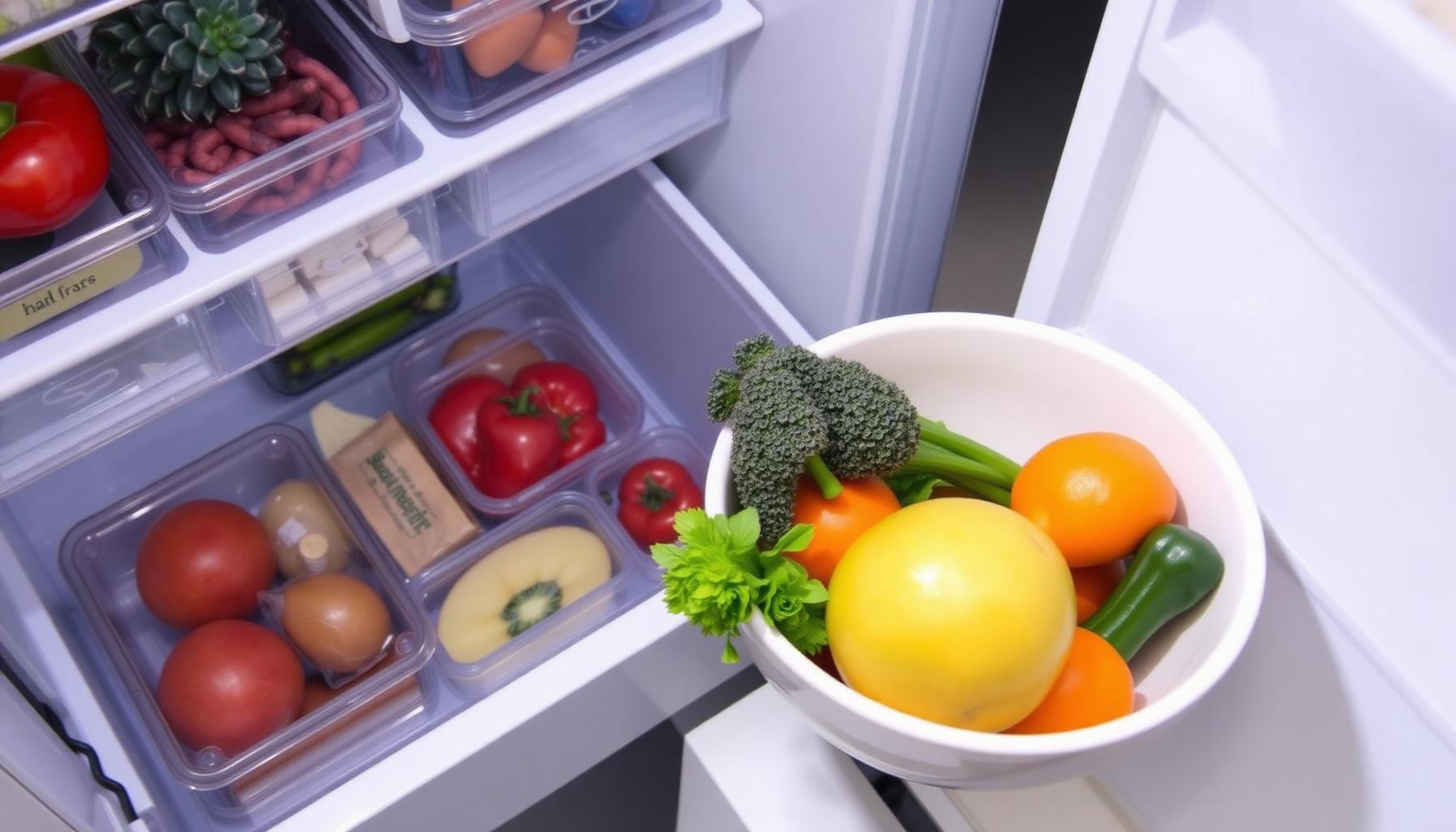
6. You're Cooking Straight From the Fridge
Ice-cold food dropped into a hot pan causes a sudden temperature swing and uneven cooking, which makes the fast-cooling spots stick.
The fix: Let proteins sit at room temperature for 15 to 20 minutes before cooking. They'll sear more evenly and release more cleanly.
7. Your Pan Is Worn Out or Wrong for the Job
If your nonstick pan has scratches, peeling coating, or a warped base that no longer sits flat, no technique will save it. A warped pan heats unevenly, creating hot and cold zones where food sticks.
The fix: Replace nonstick pans once the coating is visibly damaged. For high-heat searing, reach for stainless steel or well-seasoned cast iron instead, they actually perform better at high temperatures when you follow the heat-and-oil rules above.
Cast Iron and Stainless Steel: Secretly the Best at Not Sticking
Many home cooks assume these pans are stickier than nonstick. The opposite is true once you know the trick. A properly preheated stainless or cast iron pan releases food beautifully, not because of any coating, but because the hot metal and hot oil seal the surface so proteins can sear and let go on their own. Heat it right, oil it right, and you'll get a cleaner release than any nonstick you own.
Frequently Asked Questions
- Why does my egg stick even in a nonstick pan?
- Usually the pan was too hot or too cold, or there wasn't enough fat. For eggs, use medium-low heat, a knob of butter or a little oil, and don't rush the flip.
- Does high heat stop food from sticking?
- Not always. High heat helps sear meat, but delicate foods like eggs and fish do better on medium. Match the heat to the food and always preheat properly.
- Why does food stick to my stainless steel pan specifically?
- Almost always because it wasn't hot enough before the oil went in. Run the water test first, once the droplets bead and skate, you're ready to cook.
- Does salting the oil prevent sticking?
- No, but salting and drying your food beforehand helps it brown, and well-browned food releases more easily.
- How do I clean a pan with stuck-on food?
- Add water while the pan is still warm and let it simmer for a few minutes to loosen the residue (a technique called deglazing). For stainless steel, a little baking soda paste lifts the rest.
The Bottom Line
Food sticking to the pan isn't bad luck, it's a chain of small, fixable habits. Preheat your pan, use enough hot oil, dry your food, give it space, and resist the urge to flip too soon. Nail those and you'll spend far less time scrubbing and far more time enjoying perfectly seared, clean-releasing meals.
Ready to put your sticking-free pan to work? Drop what's in your fridge into CookJure and we'll write tonight's recipe around it, no more guesswork at the stove.